The “Work From Anywhere” Trap & How Coworking Spaces Help You Escape It
The idea of “Work From Anywhere” once felt revolutionary. Professionals imagined themselves answering emails from mountain cafés, attending meetings from beachside resorts, or working comfortably from home without long office commutes. Remote work promised freedom, flexibility, and a healthier work-life balance.
But in 2026, many employees and freelancers are realizing that unlimited flexibility can come with hidden challenges.
Instead of feeling free, people are feeling constantly connected. Work hours are stretching longer, personal boundaries are disappearing, and burnout is becoming increasingly common. The same system that was designed to improve work-life balance is now creating stress, isolation, and exhaustion for many professionals.
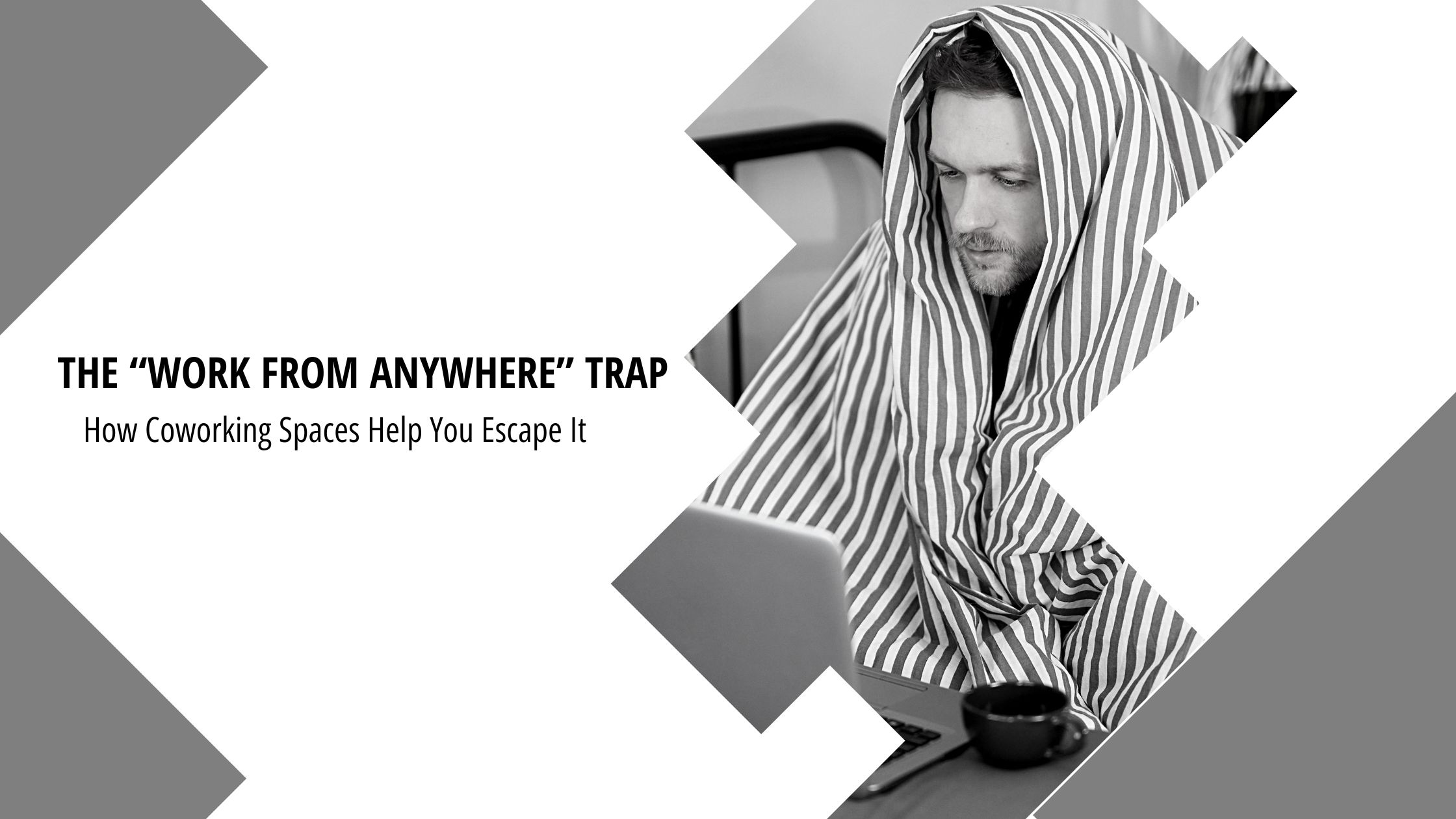
This is what experts are now calling the “Work From Anywhere” trap.
When Flexibility Turns Into Burnout
Remote work offers convenience, but it also removes the natural boundaries that once separated professional and personal life.
In a traditional office setup, the commute home mentally signaled the end of the workday. But when your office is your bedroom, dining table, or sofa, work never truly ends.
Many professionals now start checking emails immediately after waking up and continue replying to messages late into the night. Weekends are interrupted by Slack notifications, urgent calls, and “quick” tasks that slowly consume personal time.
The problem is not remote work itself. The problem is the lack of structure that often comes with it.
Without clear boundaries, “work from anywhere” quietly becomes “work all the time.”
Why So Many Professionals Feel Trapped
1. The Pressure to Always Stay Online
Remote employees often feel the need to constantly prove they are working. Since managers cannot physically see them, many workers stay available longer than necessary to appear productive.
This creates an unhealthy culture where instant replies become expected instead of appreciated.
2. Home Is Full of Distractions
While working from home sounds relaxing, it can quickly become distracting. Household responsibilities, noise, family interruptions, and lack of a professional setup can reduce concentration and productivity.
As a result, tasks that should take hours often stretch across the entire day.
3. Loneliness Is Becoming a Real Problem
One of the most overlooked side effects of remote work is isolation. Human interaction plays an important role in creativity, motivation, and emotional well-being.
Virtual meetings cannot fully replace spontaneous conversations, team collaboration, or social energy found in professional environments.
Over time, working alone every day can affect both mental health and job satisfaction.
4. Productivity Guilt Is Increasing
Many professionals feel guilty taking breaks while working remotely. Even during lunch or short breaks, they feel pressure to stay connected.
Ironically, this “always working” mindset often leads to lower productivity and faster burnout.
The Rise of Hybrid Work Culture
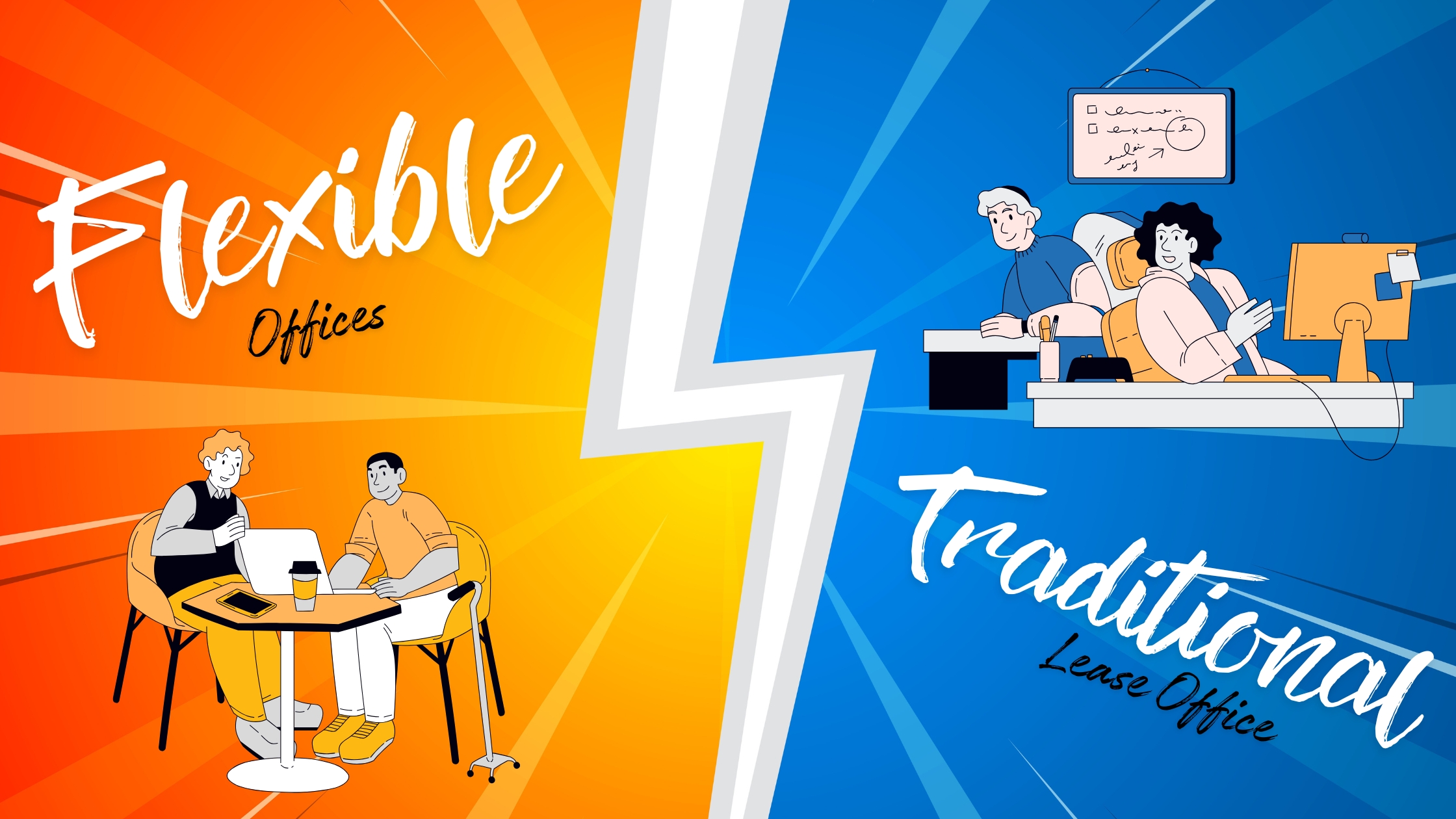
Because of these challenges, many professionals are no longer choosing between “office” or “home.” Instead, they are moving toward hybrid work lifestyles.
Hybrid work combines flexibility with structure. People may work from home some days while using professional workspaces on others. This approach helps maintain work-life balance without sacrificing productivity or collaboration.
And this is exactly why coworking spaces are growing rapidly across modern cities.
How Coworking Spaces Help Professionals Escape the Trap
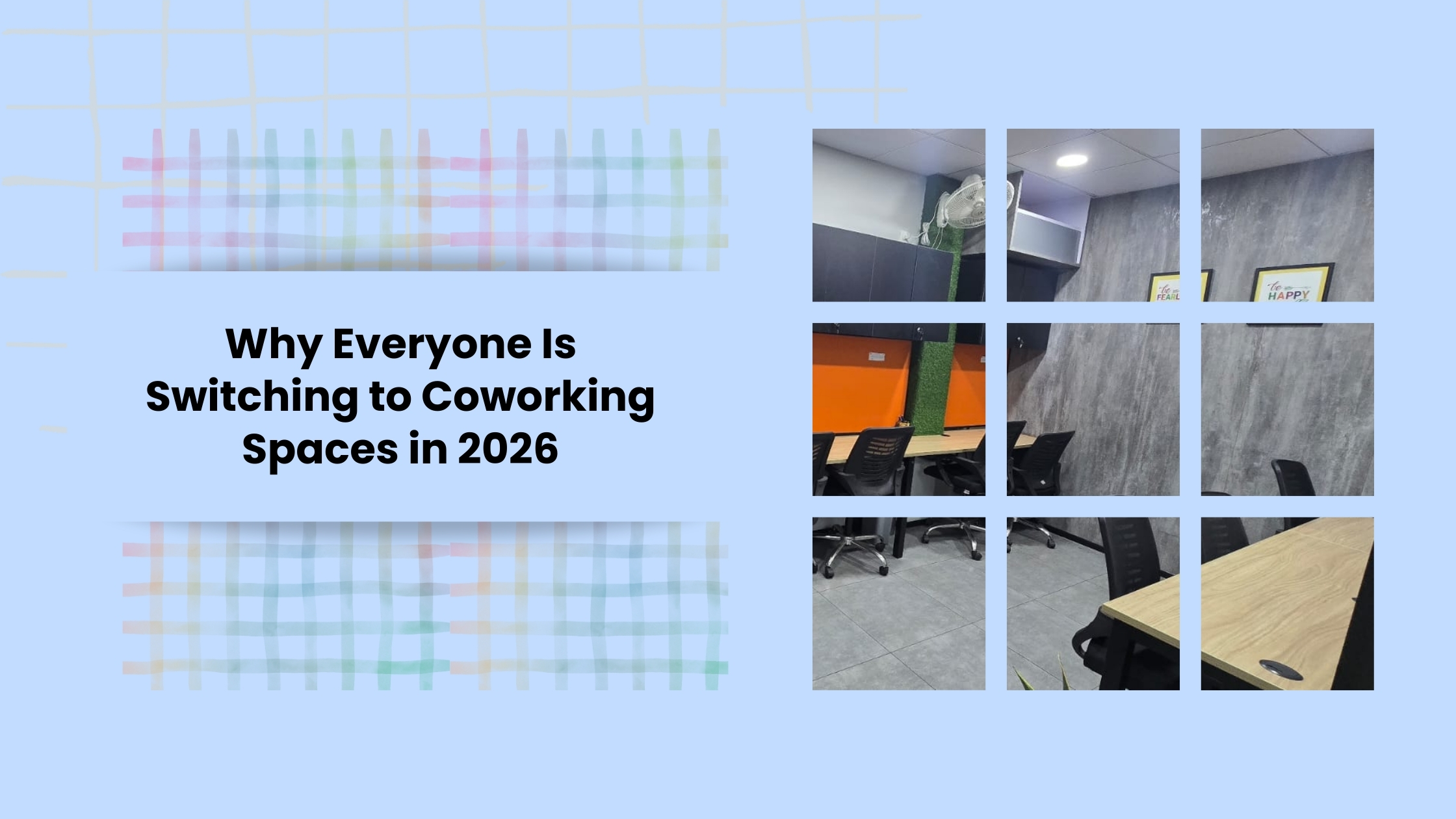
Coworking spaces are becoming more than just shared offices. They are evolving into productivity-focused environments designed for modern professionals, startups, freelancers, and remote teams.
Instead of working in isolation from home, professionals can work in an environment that encourages focus, networking, and balance.
A Professional Environment Without Corporate Pressure
Coworking spaces offer the flexibility of remote work while bringing back the discipline of a professional setup.
You still have the freedom to choose your schedule, but you also gain access to a productive atmosphere that helps separate work from personal life.
Better Work-Life Boundaries
One of the biggest benefits of coworking spaces is the mental separation they create.
When you leave the workspace at the end of the day, work stays behind. This simple boundary helps reduce stress and prevents work from consuming your personal time.
Increased Productivity and Focus
Professional workspaces are designed to minimize distractions. Fast internet, meeting rooms, comfortable seating, and quiet environments help people complete tasks more efficiently compared to working from noisy or crowded home environments.
Networking and Collaboration Opportunities
Unlike working alone at home, coworking spaces create opportunities to meet entrepreneurs, freelancers, startups, and professionals from different industries.
These casual interactions often lead to collaborations, partnerships, and new business opportunities.
Improved Mental Well-Being
Sometimes, simply being around other motivated professionals can improve energy and focus. Coworking environments help reduce the loneliness that many remote workers experience.
The sense of community can make a major difference in maintaining motivation and emotional balance.
The Future of Work Is About Balance
The future is not fully remote, nor is it completely office-based. The future belongs to flexible work models that combine freedom with structure.
Professionals no longer want rigid corporate environments, but they also do not want the burnout that comes from working endlessly from home.
Coworking spaces are helping bridge that gap by offering a smarter way to work — one that supports productivity, collaboration, flexibility, and mental well-being together.
The real goal of “Work From Anywhere” should not be working from random locations all the time. It should be creating a healthier, more sustainable work lifestyle.
Because true freedom is not about being available everywhere.
It is about having control over your time, energy, and life.
_11zon.jpg)