How Coworking Spaces Reduce Business Costs for Entrepreneurs
Starting and running a business is exciting, but it also comes with significant financial pressure. From office rent and utilities to furniture and maintenance, traditional office spaces can quickly drain a startup’s budget. For entrepreneurs who want to stay lean and agile, coworking spaces have emerged as a smart, cost-effective alternative. These shared workspaces are not just trendy—they are practical solutions that help businesses save money while maintaining a professional environment.
Here’s a closer look at how coworking spaces reduce business costs for entrepreneurs and why they are becoming the preferred choice for startups and small businesses.
1. Lower Rent Compared to Traditional Offices
One of the biggest expenses for any business is office rent. Leasing a traditional office usually requires long-term contracts, hefty security deposits, and advance payments. For a new entrepreneur, this can lock up valuable capital.
Coworking spaces offer flexible membership plans—daily, monthly, or yearly—allowing entrepreneurs to pay only for what they need. Instead of committing to a large office, you can start with a desk or a small cabin and scale up as your business grows. This flexibility significantly reduces upfront and ongoing rental costs.
2. No Setup Costs
Setting up a traditional office involves buying furniture, installing internet connections, setting up meeting rooms, and investing in décor. These setup costs can be substantial.
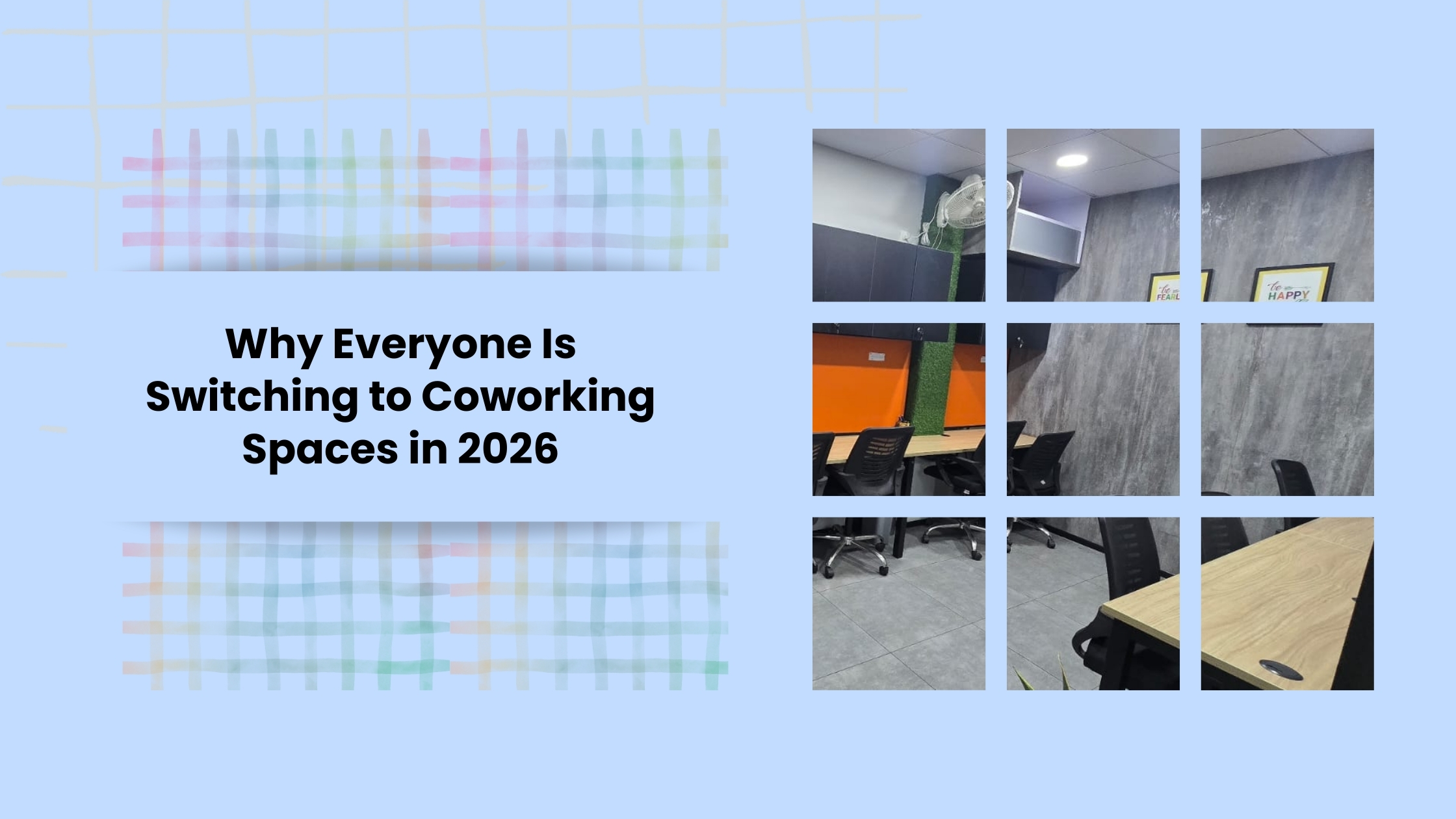
Coworking spaces come fully furnished with desks, chairs, meeting rooms, and high-speed internet. Entrepreneurs can move in and start working from day one without worrying about setup expenses. This plug-and-play model saves both time and money.
3. Utilities and Maintenance Included
In a traditional office, you must separately pay for electricity, water, internet, housekeeping, repairs, and maintenance. These recurring costs add up and can be unpredictable.
Coworking spaces typically include all utilities and maintenance in one membership fee. This bundled pricing makes it easier to manage budgets and avoid surprise expenses. Entrepreneurs can focus on their business rather than facility management.
4. Shared Resources and Amenities
Coworking spaces provide access to shared amenities such as printers, scanners, conference rooms, pantry areas, and reception services. Individually investing in these resources would be costly for a small business.
By sharing these facilities with other members, entrepreneurs get access to premium amenities at a fraction of the cost. This shared model improves cost efficiency without compromising on professionalism.
5. Reduced Staffing Costs
A traditional office may require hiring receptionists, office assistants, cleaners, and IT support. These staffing costs can be heavy for a startup.
Many coworking spaces provide front-desk support, cleaning services, and basic IT assistance as part of the package. This reduces the need for additional hires and lowers payroll expenses.
6. Flexible Scaling
Business needs change over time. You might need more space when your team grows or less space during slower periods. Traditional leases make it difficult to adjust quickly, often leading to wasted money on unused space.
Coworking spaces allow easy scaling. You can upgrade to a bigger space or downsize your plan as needed. This ensures you only pay for the space you actually use.
7. Better Locations at Affordable Prices
Prime business locations usually come with high rental costs. Coworking spaces make it possible for entrepreneurs to work from premium locations without paying premium rents. A good address enhances brand image, improves client trust, and reduces travel time—all without breaking the bank.
8. Networking and Collaboration Opportunities
While not a direct cost-saving factor, networking can lead to partnerships, clients, and referrals. Many entrepreneurs find new business opportunities within coworking communities, reducing marketing and client acquisition costs over time.
Conclusion
Coworking spaces are more than just shared offices—they are strategic tools for cost optimization. By lowering rent, eliminating setup costs, bundling utilities, and offering flexibility, they help entrepreneurs run lean operations. For startups and small businesses aiming to maximize productivity while minimizing expenses, coworking spaces offer the perfect balance of affordability and professionalism.
FAQs
1. Are coworking spaces cheaper than traditional offices?
Yes, coworking spaces are generally more affordable because they eliminate setup costs, include utilities, and offer flexible plans without long-term commitments.
2. Can coworking spaces accommodate growing teams?
Absolutely. Most coworking spaces allow you to scale up by adding more desks, cabins, or private offices as your team grows.
3. Do coworking spaces include internet and utilities?
Yes, high-speed internet, electricity, water, and maintenance are usually included in the membership fee.
4. Are coworking spaces suitable for client meetings?
Yes, coworking spaces typically offer professional meeting and conference rooms that can be booked when needed.
5. Is a coworking space good for startups?
Coworking spaces are ideal for startups because they reduce costs, provide flexibility, and offer networking opportunities that support growth.

_11zon.jpg)