Why Everyone Is Switching to Coworking Spaces in 2026
In 2026, the workplace landscape is dramatically different from what it was just a few years ago. Traditional offices are no longer the default choice for many businesses, freelancers, and professionals. Instead, coworking spaces have emerged as the preferred workspace solution worldwide — and for good reason.
From flexibility and community to cost savings and productivity, coworking spaces are reshaping how work gets done. Whether you’re a startup founder, remote employee, solopreneur, or part of a growing enterprise, the coworking model offers compelling advantages that traditional offices struggle to match.
Let’s explore why everyone is making the switch to coworking spaces in 2026.
1. Flexibility That Matches Modern Workstyles
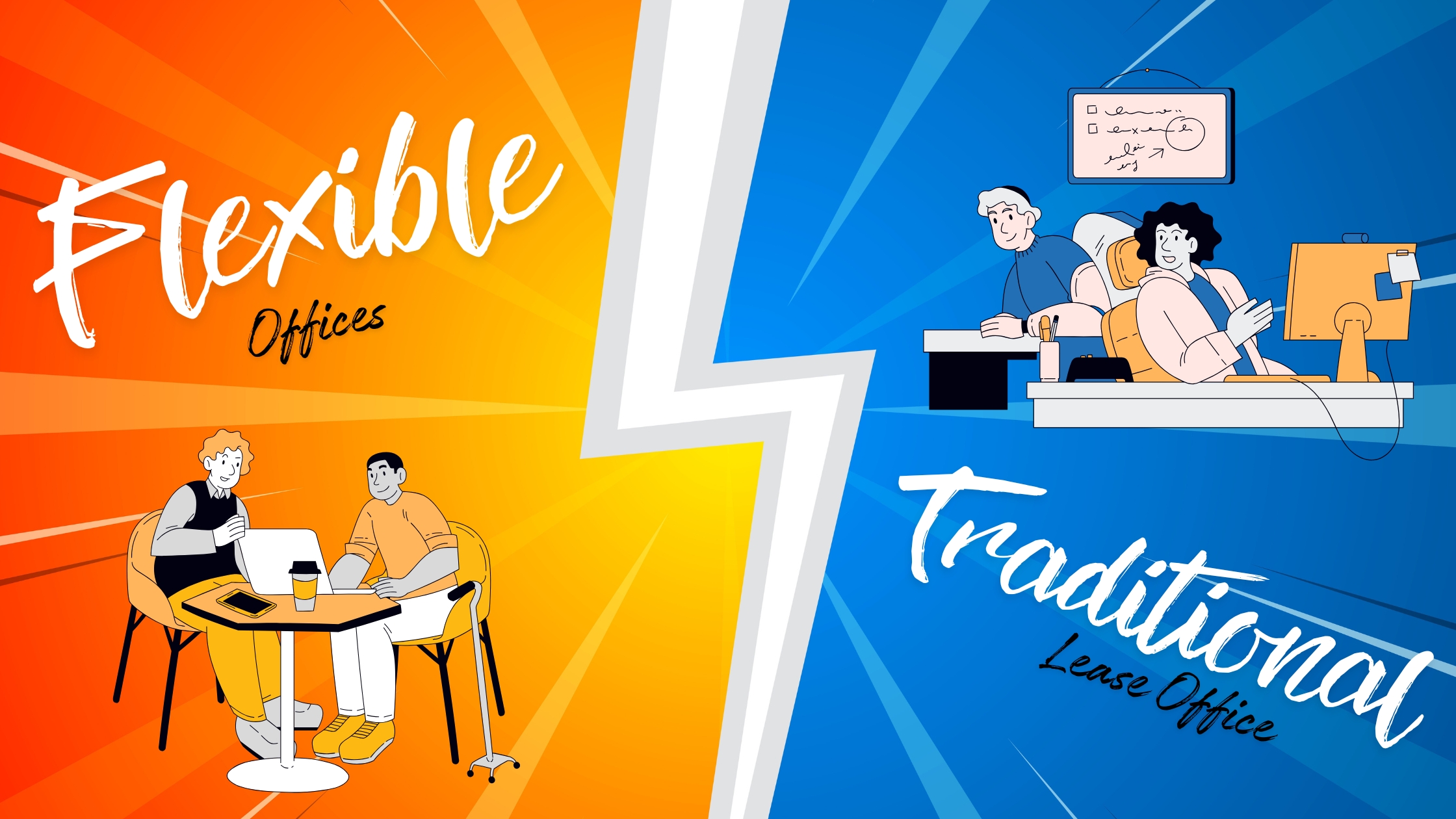
Today’s workforce values flexibility more than ever. With remote, hybrid, and freelance work becoming mainstream, having a fixed long-term office lease feels restricting.
Coworking spaces allow members to:
Choose plans that fit their budget — from hourly passes to monthly memberships
Work from different locations as needed
Scale up or down without penalties
This flexibility is ideal for professionals whose work isn’t tied to a single location. In fact, many coworking spaces now offer global access plans, letting members work from partner locations around the world.
2. Cost-Effective Alternative to Traditional Offices
Setting up and maintaining a conventional office involves significant cost — rent, utilities, furniture, maintenance, internet, cleaning, and more.
In contrast, coworking spaces bundle all of these essentials into a single, transparent monthly fee. Whether you’re a solo entrepreneur or a team of ten, coworking helps reduce overhead costs significantly.
Plus, there’s no hefty security deposit or long lease lock-in, making budgeting easier and more predictable.
3. Built-In Community and Networking
One of the biggest perks of coworking isn’t just the physical space — it’s the community.
Coworking spaces bring together diverse professionals:
Entrepreneurs
Tech specialists
Creative freelancers
Consultants
Small business owners
This mix sparks collaboration, partnerships, and new business opportunities you simply don’t get in isolation. Events like workshops, meetups, and mastermind sessions make networking organic, not forced.
Many professionals say they’ve gained clients, mentors, and even co-founders because of the relationships formed in coworking environments.
4. Productivity Boost Through Better Work Environment
Working from home sounds great — until distractions kick in. Kids, pets, chores, internet issues — the list goes on. Coworking spaces offer a professional, distraction-free environment built for better focus.
Design elements like:
Ergonomic furniture
Quiet zones
Meeting rooms for collaboration
Conference facilities with tech support
— all contribute to higher productivity. Many members report that their output improved dramatically just by changing their work environment.
5. Access to Premium Amenities
Coworking hubs are equipped with modern amenities that would cost thousands if set up independently. These often include:
High-speed internet
Printing and scanning
Conference and training rooms
Lounge areas and cafeterias
On-site support staff
Some coworking providers also include perks such as free coffee, wellness rooms, nap pods, and outdoor work terraces — transforming work into a more enjoyable experience.
6. Supporting Well-Being and Work-Life Balance
Research has shown that work environment impacts not just productivity — but well-being. Coworking spaces provide:
Opportunities for social interaction
Flexible hours
Balanced work routines
For many, going to a coworking space helps create a clear separation between personal and professional life, which is essential for mental health and long-term creativity.
7. Perfect for Hybrid and Remote Teams
As hybrid work becomes the norm, companies are rethinking their real estate strategies. Coworking spaces offer:
Satellite work locations closer to employees’ homes
On-demand meeting and collaboration spaces
Options to maintain a brand presence without long-term leases
This makes coworking an attractive solution for distributed teams — especially those with members spread across different cities or regions.
8. Global Trends Show Coworking on the Rise
In 2026, coworking isn’t just a trend — it’s a global movement. Cities around the world are embracing flexible workspaces as essential infrastructure for the evolving workforce. Investors are backing coworking brands, new niche spaces are emerging (like industry-specific hubs), and larger enterprises are allocating budget specifically for coworking.
This shift reflects a broader cultural change: work is no longer where you go — it’s what you do.
FAQs: Coworking in 2026
Q1. What exactly is a coworking space?
A coworking space is a shared workspace where individuals and teams from different organizations work alongside one another. Members enjoy flexible plans, shared amenities, and access to community events — without the commitment of a traditional office lease.
Q2. Who benefits most from coworking spaces?
Freelancers, startups, remote workers, small businesses, and even large corporations seeking flexible office solutions all benefit. The model suits anyone looking for professional infrastructure without long-term leases.
Q3. Are coworking spaces more expensive than working from home?
Not necessarily. While coworking has a monthly cost, many users find it more cost-effective than maintaining a separate office. When you factor in higher productivity, professional environment, networking opportunities, and included amenities, it often delivers better value.
Q4. Can my team work from the same coworking space?
Absolutely. Many coworking providers offer private team offices and dedicated desks, in addition to open seating plans. Teams can choose what fits their workflow and budget.
Q5. Do coworking spaces provide meeting rooms?
Yes — meeting and conference rooms are common offerings. These rooms often come with technology and support staff, making them ideal for client meetings, presentations, and collaborative sessions.
Q6. Is community really a big deal in coworking?
Yes — the community is one of the biggest differentiators. Coworking brings professionals together, opening doors to partnerships, mentorship, skill-sharing, and social engagement.
Final Thoughts
In 2026, coworking is much more than a workspace — it’s a lifestyle choice and a strategic business decision. For professionals who value flexibility, connection, productivity, and growth, coworking spaces are not just an alternative — they’re the preferred way to work.
Whether you’re just starting out or scaling up, coworking spaces offer a vibrant, flexible, and future-ready foundation for success.

_11zon.jpg)